

Wholesale Cashmere Coats: Why Double-Faced Construction Wins Winter 2026
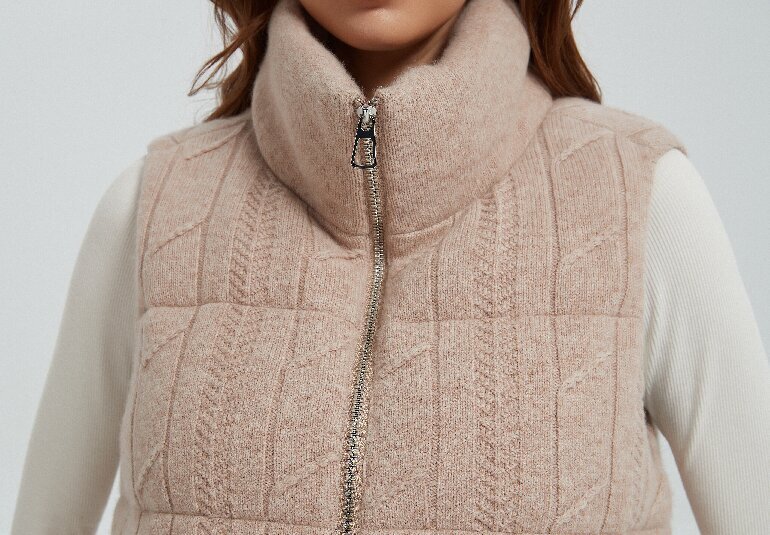
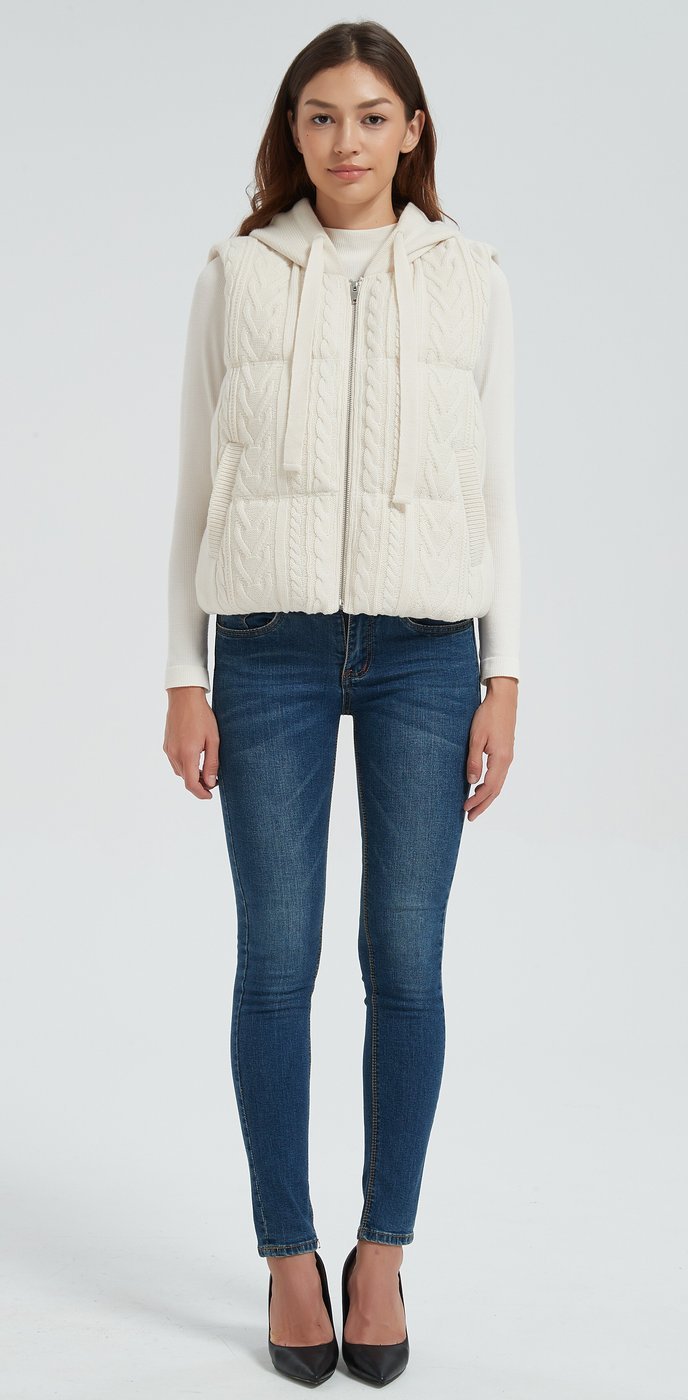
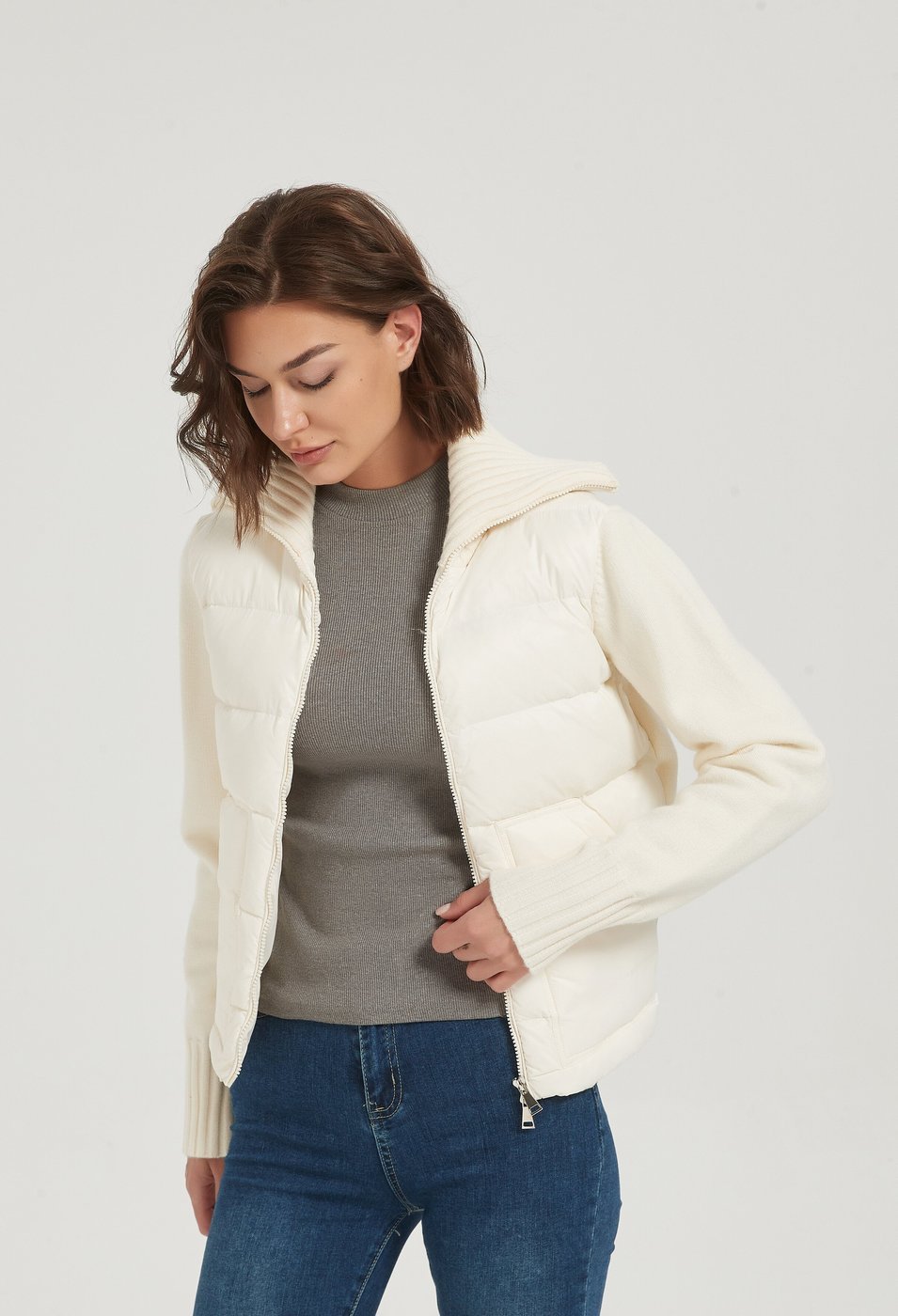
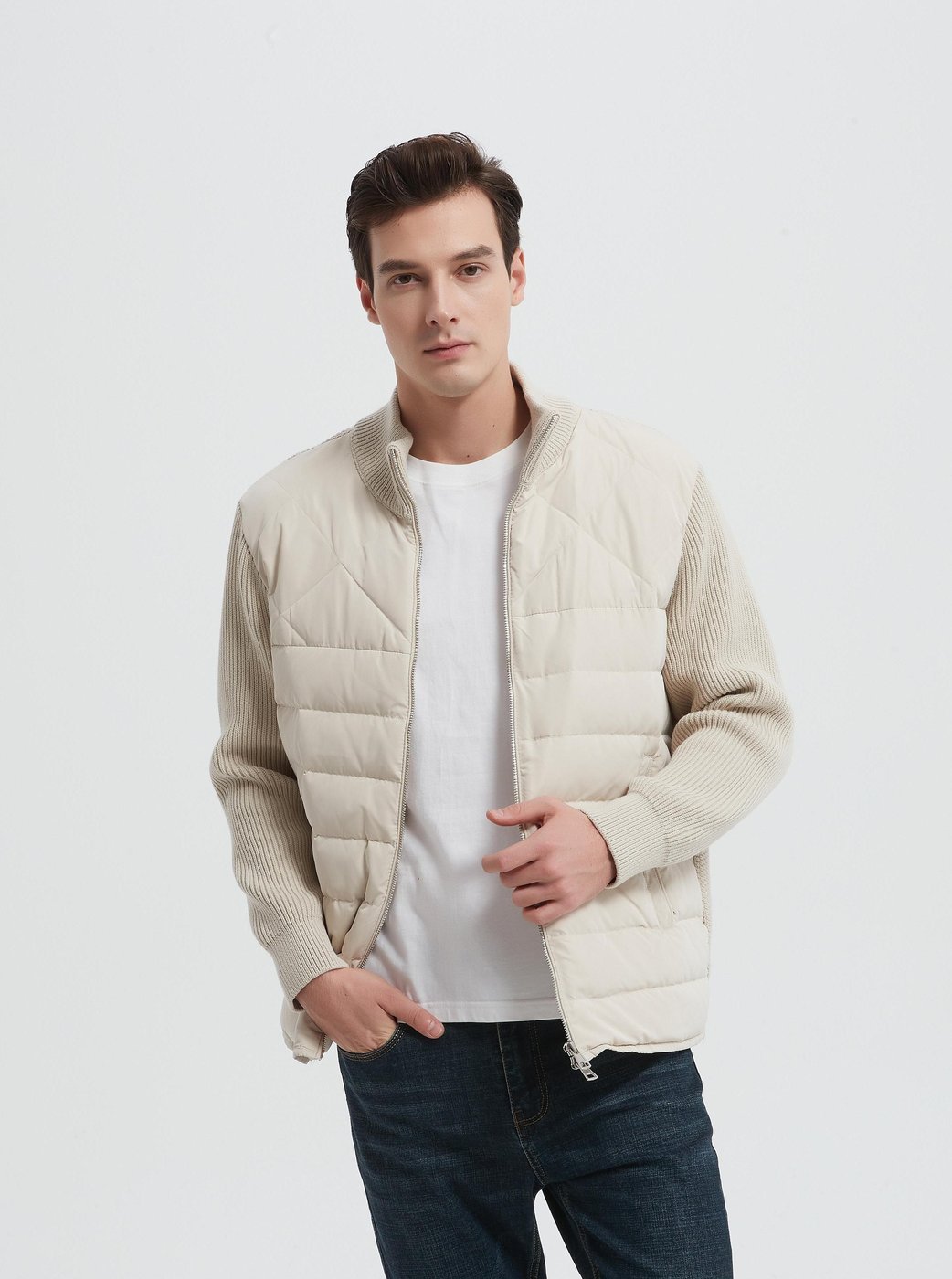
The coat is the piece that decides whether a winter collection is read as premium or as filler. It sits at the top of the assortment, it carries the fitting-room moment, and it is the garment your buyer's customer judges the whole label by. Yet in most sourcing conversations, the coat is still discussed in adjectives — luxe, soft, warm — while the sweater next to it gets discussed in microns, ply and gauge. That gap is where orders go wrong. The cashmere coat category has become measurable, and the construction method behind the best of it — double-faced, hand-finished, unlined — is one of the few remaining garment processes that cannot be automated at quality. This guide walks through the numbers, the construction, the spec sheet you can actually test against, and how to build a tiered coat programme for 2026 without over-committing on the wrong tier. For a long time the coat was treated as a derivative of the sweater market. In 2026 it has its own data set, and the shape of that data matters more than the headline. The global cashmere coat market stood at USD 3.47 billion in 2025 and is projected to reach USD 4.93 billion by 2032, a compound annual growth rate of roughly 5.1% [source: PW Consulting, Worldwide Cashmere Coat Market]. Within that market, pure cashmere accounted for 65.3% of material share and women's coats for 63% of end-user share, with Europe the largest single region at USD 1.36 billion. A second dataset puts the market on a similar slope — from USD 3.63 billion in 2025 toward USD 4.67 billion by 2031, at 4.29% CAGR [source: Insight Market Reports]. The most useful number for a buyer is a share figure rather than a total: sweaters and coats together represent 60.58% of the global cashmere clothing market by value, and within the clothing category Europe holds 39.59% while women's wear holds 56.35% [source: Fortune Business Insights, cited in a 2026 coat sourcing review]. In other words, the coat is one of the two categories that carry the cashmere business — and the one with the least competition on construction quality. Two forces are pushing in the same direction. The first is the quiet-luxury shift, which rewards garments that are bought once and worn for years rather than recognised by a logo; the trend reports describe it as a move toward "durable investment pieces" with visible superiority in thermal performance [source: PW Consulting]. The second is lightweight construction: fine-gauge spinning is extending cashmere coats into shoulder seasons, so a coat is no longer a single-winter item for the buyer's customer. "Double-faced" is used loosely in trade conversation, so it is worth being precise: it describes a fabric made of two separate layers — each with its own finished face — held together by a set of interlocking connecting yarns. In the quality constructions used for coats, those connecting yarns are designed to be removed along the edges, which lets the two layers be peeled apart and rejoined by hand [source: Bradic, How Is Double-Faced Cashmere Finished by Hand?]. The working zone is small. On good double-faced cashmere, the layers can typically be separated cleanly for 1.5cm to 2cm from a cut edge; beyond that the connecting yarns are embedded deeply enough that separating them would damage a face. Every fold, every positioning decision and every stitch on a finished edge happens inside roughly 15 millimetres of fabric. The sequence, in the order a workroom actually performs it: There is no machine that performs step three at quality. This is the single most important commercial fact about the category: a conventional lined coat can have its hems and facings machine-stitched in minutes, while the same operations on a double-faced coat — front edges, hem, neckline and both sleeve cuffs — take many times longer. In Chinese workrooms the reference figure quoted for a good hand-finished seam is 11 stitches per 3cm, with a skilled sewer completing roughly one coat every two days, and total build time around five times that of a conventional coat. Removing the lining changes four things a buyer can verify by hand: For a buyer, that last point converts quality control from a matter of trust into a matter of looking. It also means a supplier who cannot execute it consistently cannot fake it for long, which is precisely why the construction has become a shorthand for capability. Most coat disputes trace back to a spec that was agreed verbally. The following items are all testable, and all worth having in writing before a sample is cut. The 600–1,200 g consumption band is the number most often left out of a first enquiry, and it is the one that explains why two quotations for a "similar" coat can behave so differently in wear [source: JX Apparel Group, Cashmere Coat Factory Guide]. Weight is not a proxy for quality, but it is a proxy for warmth and for how a coat will photograph — and it must be specified rather than assumed. On fibre, the legal floor and the quality target are different things. US rules define cashmere as fine undercoat fibre with an average diameter of 19 microns or less [source: 16 CFR Part 300, Wool Products Labeling Act rules]. That is a labelling threshold, not a comfort threshold: anything above 16 microns feels noticeably coarser against the skin, which is why the Grade A band of 14–15.5 microns is what a premium coat programme should be built on. A coat range that tries to cover every buyer at one construction level tends to fail at both ends: too hand-intensive to be accessible, or too light to justify a premium position. Three tiers, each with a clear purpose, is the structure that works. The reference tier. Two-layer fabric, hand slip-stitched edges, no lining, 4-ply weight for outercoat applications. It carries the highest hand labour content and the longest production slot, and it is the tier that gives a collection its top-end credibility. Keep the silhouette count small: one long coat, one shorter car coat or jacket. Depth in colour beats breadth in shape at this level. A knitted body or sleeve section joined to a woven shell panel, with a fill layer where warmth is required. Machine-sewn, faster to sample, far lighter on hand labour, and much easier to scale across sizes. This tier is where the volume sits for most wholesale programmes, and it is the one buyers most often overlook because it does not sound as romantic as double-faced. A wool-dominant blend with a cashmere percentage high enough to change the hand. Broader sizing, more colours, shorter lead times. Use it to open the category at retail and to hold the entry position in a market where the customer is buying a coat, not the fibre spec. The knit-and-shell coat exists because the sweater and the coat have converged. It uses the knitwear supply chain's strengths — gauge control, colour flexibility, seamless or fully-fashioned panels — and adds only the shell and fill needed for outerwear performance. Four practical advantages show up at sample stage: Ewsca's own outerwear line sits in this tier: knit bodies and sleeves joined to quilted shell panels, in versions for women and for men. The knit-with-fabric outerwear collection shows the construction range, including the button-front women's jacket, the cable-knit stand-collar vest and the hooded white version. The men's side of the same construction is documented in the paneled men's jacket article. Coat fit is decided by three measurements that a sweater programme never has to think about: body length, sleeve pitch and shoulder extension. Get them wrong and the same fibre grade reads as a badly made garment in the fitting room. Body length should be specified per market rather than per collection. Long lengths sell in Northern European and North American winter markets where the coat is the outermost layer for four months; shorter jacket lengths and car-coat silhouettes travel better in markets with shorter winters and in transit retail, where a coat that can be worn open is worn more often. Sleeve pitch — the forward angle at which the sleeve is set — is the detail that determines whether the customer can drive, type or reach forward without the coat pulling across the back. On a double-faced coat there is no lining to mask a poor pitch; it must be right in the pattern. On the demand side, the regional split is stable enough to plan against. Europe is the largest region for both the coat category and cashmere clothing overall, followed by North America, with Asia-Pacific the fastest-premiumising market and the one most responsive to modern silhouettes. Men's outerwear is the least contested slice of the coat market: the layering pieces that men actually reorder — turtlenecks, quarter-zips and knit jackets — have shown the strongest growth in the men's knitwear data through the winter season [source: Accio, men's sweater trends for winter 2026]. Colour. Coat colour ranges should be built in two layers: a neutral core that carries reorders — camel, charcoal, ivory, navy — and a small accent set that gives the collection its seasonal identity. On double-faced cashmere the accent count should stay low, because each colour change on a hand-finished edge raises the risk of a visible tension difference between dye lots. Ask for dye-lot consistency confirmation in writing, and keep a physical shade card from the bulk lot. Certification. A credible coat supplier should be able to hand over more than a fibre claim. The documents to request are a composition test from an accredited lab, Oeko-Tex Standard 100 for restricted substances, and GCS for audited animal welfare and traceability in Inner Mongolian production [source: The Good Cashmere Standard]. Social-compliance audits such as BSCI matter for retail accounts that screen their supply chain. These are not marketing extras; they are the papers that let a buyer answer a retail customer's question without going back to the supplier. Calendar. Coat production is slower than sweater production, and hand finishing is the reason. As a planning baseline for custom work: sampling runs about 7–10 days, bulk production adds roughly 3–4 weeks, so a total of 4–6 weeks from spec approval to ex-factory for a knitwear programme — with double-faced coats needing a longer slot because the finishing step cannot be compressed or parallelised. Work backwards from the retail floor: a coat meant to hang in December must be in production by late September, which means the fibre and colour decisions are made in the spring. Everything else in the range can be planned around that one constraint. If the coat is late, the collection loses its anchor; if it is early, the buyer carries it in the showroom and it sells the rest of the winter story for you. Two separate fabric layers, each with its own finished face, held together by removable connecting yarns and then folded and joined by hand so that no lining is needed. Both faces and every interior junction remain visible in the finished coat, which is why the construction doubles as a quality check. Hand finishing is the bottleneck. Reference figures from the double-faced workroom process put total build time at roughly five times a conventional coat, with a skilled sewer completing around one coat every two days. Plan the production slot accordingly rather than assuming a sweater timeline. Grade A cashmere at 14–15.5 microns, documented by an independent report per dye lot. For the US market, note that the legal definition of cashmere is an average fibre diameter of 19 microns or less under 16 CFR Part 300 — that is a labelling floor, not a comfort target. Yes, and the men's tier is comparatively under-served. For a first men's programme, the knit-and-shell construction is usually the easier entry point because it layers over turtlenecks and quarter-zips — the categories showing the strongest growth in men's knitwear. The knit-with-fabric outerwear collection shows the current constructions, and the wider 2026 collection shows how they sit alongside the knitwear range. Sample development for a specific silhouette starts from a brief.1. The Coat Category Has Its Own Numbers Now
2. What "Double-Faced" Actually Means in the Hand
Why no lining is a quality signal, not a shortcut
3. The Coat Spec Sheet: What to Write Down Before You Ask for a Sample
Specification
Reference value
How to verify
Fabric consumption per coat
600–1,200 g depending on length and design
Ask for the cut sheet and weigh the sealed sample
Fibre diameter
Grade A at 14–15.5 microns
Independent lab report per dye lot
Legal definition, US market
Average fibre diameter of 19 microns or less
Wool Products Labeling Act rules, 16 CFR Part 300
Ply
4-ply for overcoat weights in the Ewsca programme
Yarn ticket from the mill; ply stated on the spec
Edge stitch density
Approx. 11 stitches per 3cm on hand-finished edges
Count stitches on the inside of the front edge
Edge appearance
No ridge, no thickening, no visible stitch line from outside
Backlight the edge; run a finger along the fold
Sample governance
Sealed sample retained by both parties
Sign and date the sample card, keep duplicates
4. Three Honest Tiers for a 2026 Coat Programme
Tier one — double-faced, hand-finished, unlined
Tier two — knit-and-shell construction
Tier three — wool-cashmere blends
5. Knit-and-Shell: The Volume Tier Buyers Underestimate
6. Fit, Weight and the Markets That Buy Them
7. Colour, Certification and the Coat Buy Calendar
8. Wholesale Cashmere Coat FAQ
Q1. What actually makes a cashmere coat "double-faced"?
Q2. How long does a double-faced coat take to produce compared with a standard coat?
Q3. What fibre specification should a coat programme specify?
Q4. Are double-faced coats suitable for men's ranges?
Q5. Where can I see the knit-and-shell outerwear constructions?