

Wholesale Knitwear Suppliers: A Cashmere Sourcing Calendar
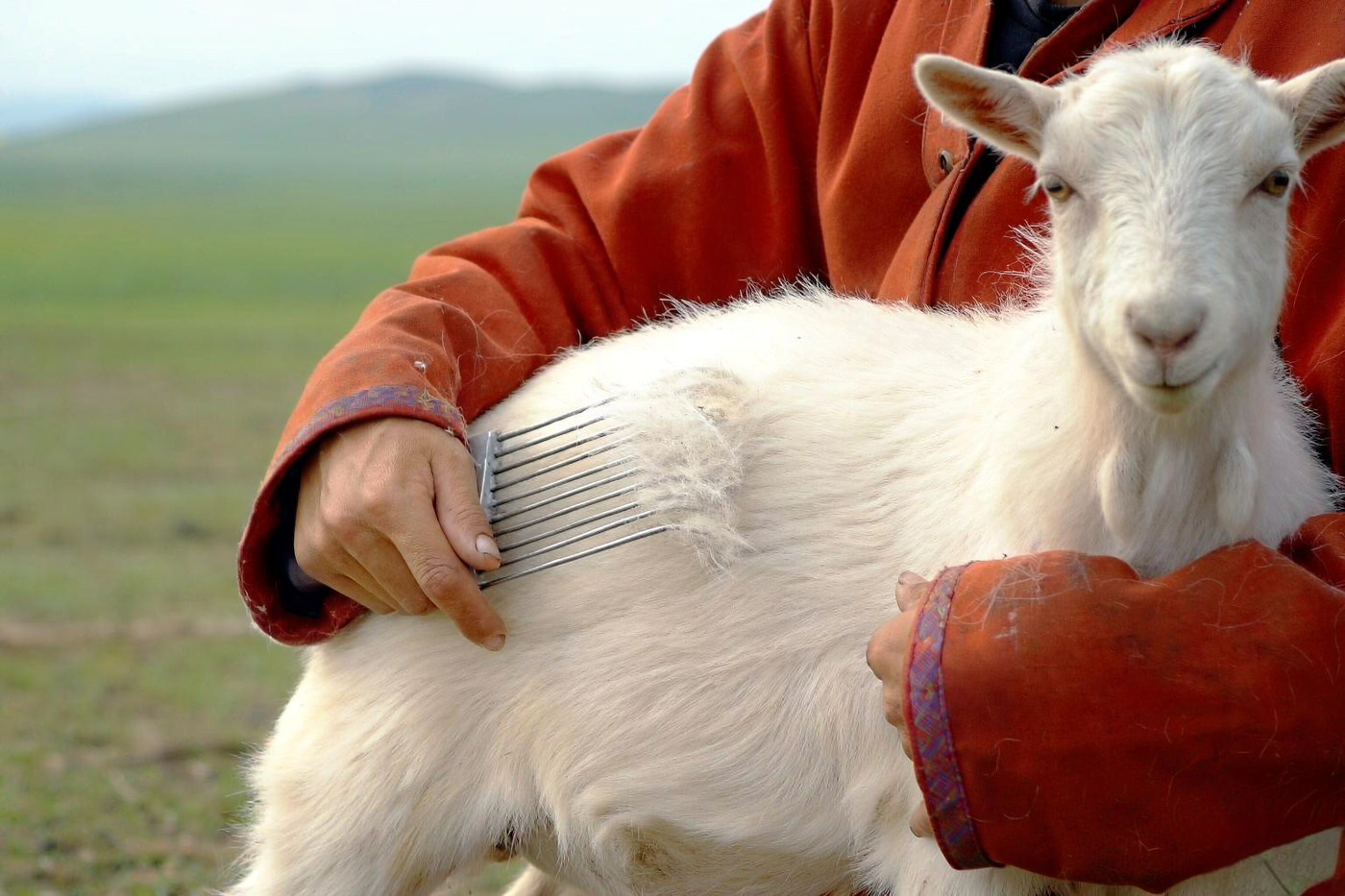
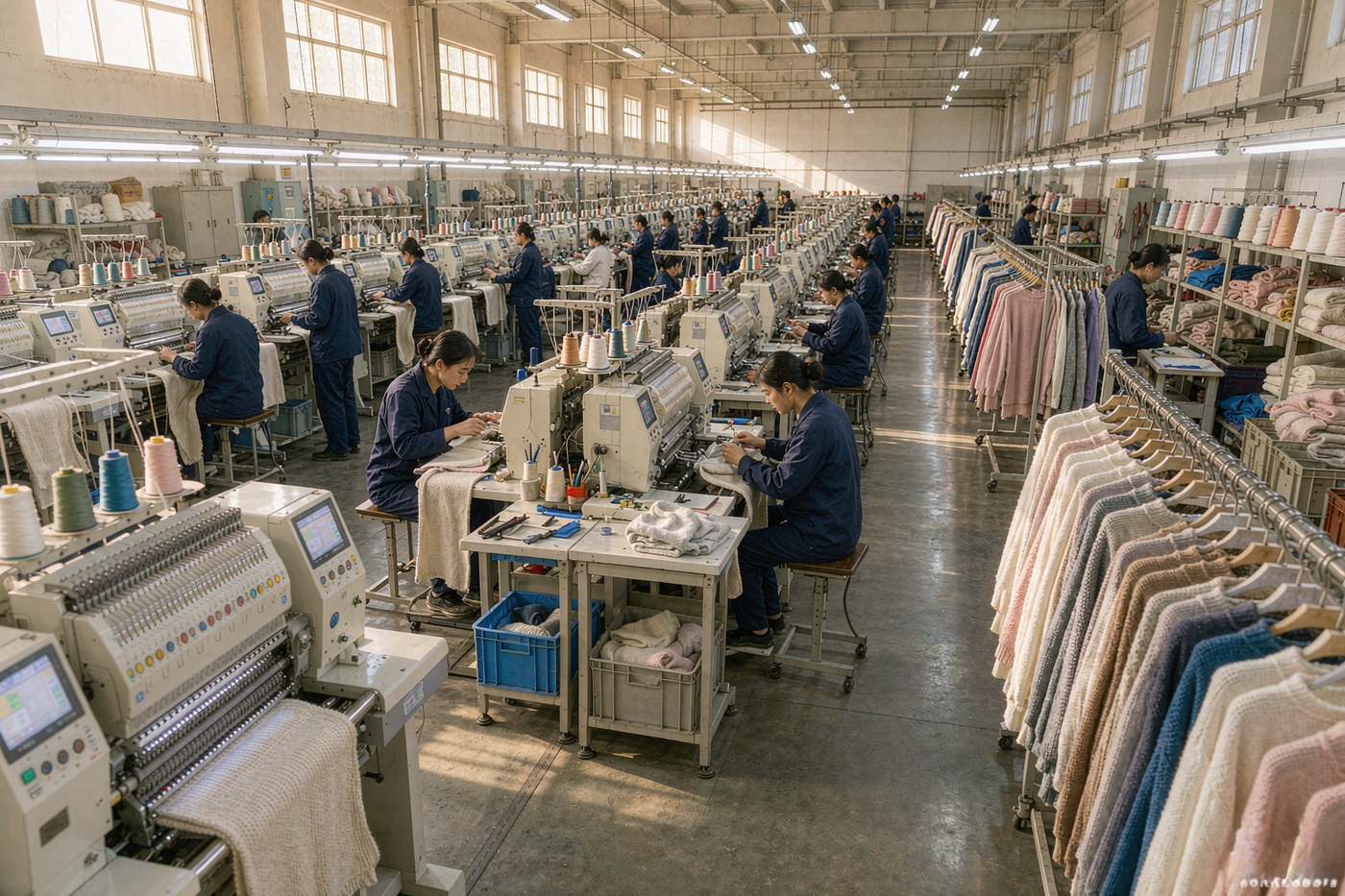
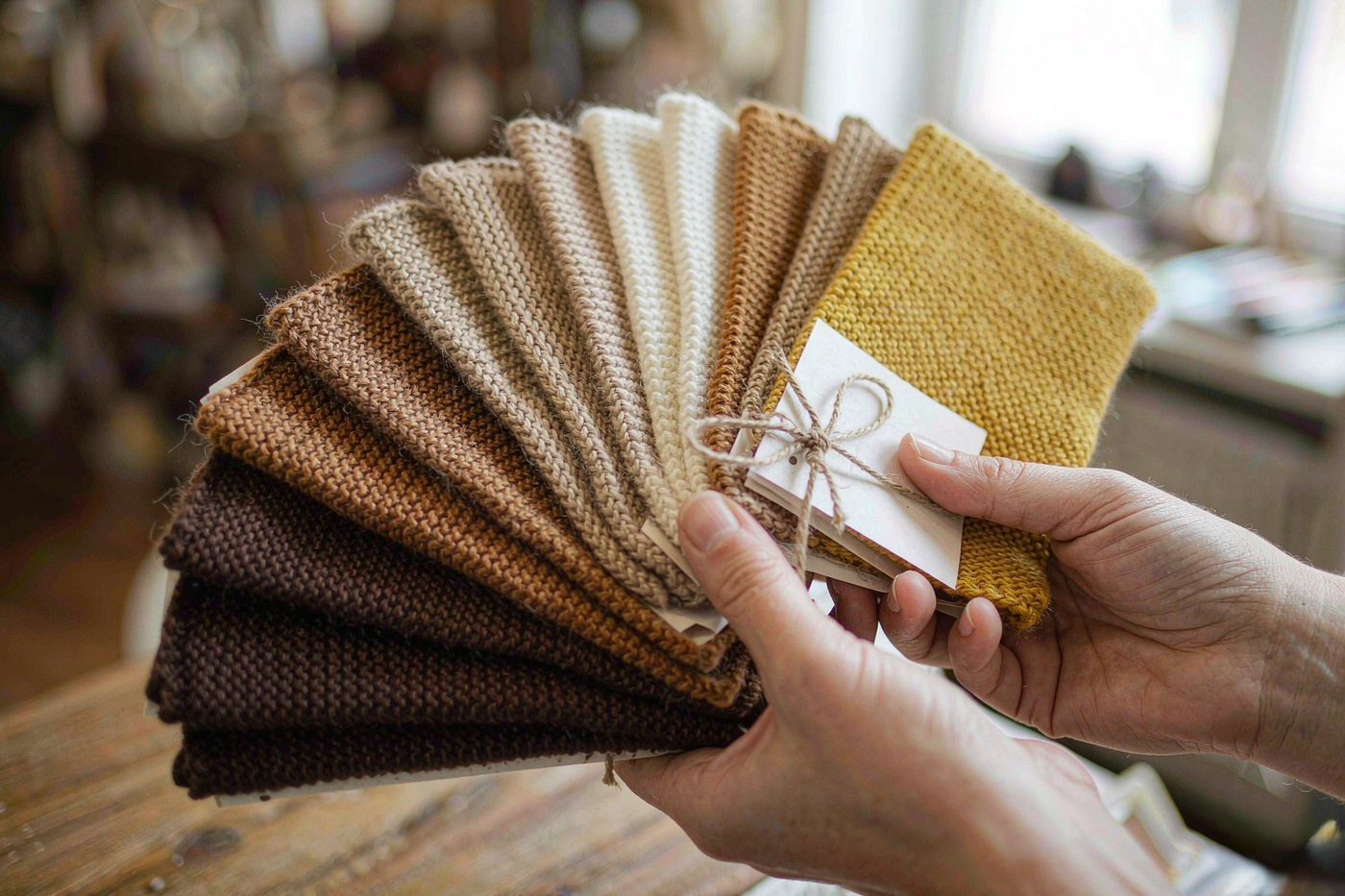
Ask a wholesale knitwear supplier what they actually sell and the honest answer is not sweaters — it is calendar reliability. Industry planning guides put a realistic end-to-end window for a custom knit programme at 12–22 weeks from development brief to delivered goods how knitwear lead time planning works from sample to bulk, and the spread is not random: it is the sum of yarn sourcing, sample rounds, bulk knitting, finishing and freight, each with its own failure modes. Buyers who hit their drop dates treat the calendar as a design input — they plan backwards from the in-store date, lock yarn early, and accept revision rounds as real weeks. Buyers who plan forwards from the day they felt like starting meet the same five blocks, only compressed, and compression always collects later as air freight, skipped inspections or shade drift between dye lots. This guide lays the whole cashmere sourcing calendar out stage by stage: what each block genuinely takes, where the weeks quietly leak, and a backward-planning table that shows which selling season demands which starting month. Seasonal knitwear planning guides break the 12–22 week window into five blocks that rarely overlap cleanly seasonal knitwear planning for FW and SS collections: The trap is in how factories quote. A supplier quoting “60 days” almost always means 60 days after yarn arrival and pre-production approval — not 60 days from your purchase order. Most slippage happens in the pre-production phase, which is also the phase you control directly through tech pack quality and decision speed why averages mislead procurement managers. Reading a quoted number as the total timeline is among the most common causes of late seasonal shipments. When you evaluate any knitwear supplier, the first question is therefore not how long but from when. Cashmere enters the calendar before any knitting happens. Raw fibre is combed from goats in a spring harvesting window, then dehaired, spun and — if your palette is custom — dyed to lab-dip approval. Yarn procurement references put common yarns at two to three weeks and custom lots at six to eight realistic sourcing timelines for wholesale sweaters, and seasonal planning guides converge on the same message: lock yarn early, especially custom colours with long dye lead times why yarn is the first block to fix. Two practical consequences follow. First, the choice between stock-service shades and custom dye is really a choice between two calendars: stock yarn lets sampling start in days, while a custom lot inserts lab dips and dyeing before the first sample can even be knitted. Second, styles sharing one yarn should be grouped so a single dye lot serves the whole range — guides for range planning recommend exactly this to streamline sourcing and stagger development so sampling capacity is not overwhelmed. A wholesale knitwear supplier with a deep stock yarn bank can pull weeks out of the front of your schedule; one that dyes everything to order cannot, no matter how fast its knitting floor runs. Sampling is where knitwear lead time is most often lost. Each round divides into remake time (three to seven days once yarn and tech pack are in hand) and everything around it — courier transit and your internal review — which is why each revision round usually consumes one to two weeks of calendar time. Three rounds is common for mid-complexity sweaters; four or five happen when fit feedback arrives in fragments instead of consolidated comments revision rounds and their hidden weight. Batching every measurement point and requested change into one document per round can often save an entire round. The rounds themselves have distinct jobs: a proto sample tests the design idea, sometimes in substitute yarn; a fit sample is knitted in the correct yarn and verifies measurements and panel construction; and the pre-production sample is made with bulk yarn, trims and labels, becoming the physical reference both sides cite during bulk inspection. Skipping the PP round to save time is one of the highest-risk shortcuts in the trade — it is the only artefact that anchors bulk quality. Fast-track showroom samples knitted in stock yarn have their place, but they often skip washing and dimensional relaxation, and approving bulk against one is how spec sheets and delivered garments drift apart. Once samples are approved and yarn is on the floor, bulk knitting is the most predictable block in the calendar — seasonal guides put it at a steady 30–45 days once approvals land bulk production timing once approved. What makes it unpredictable is everything around it: capacity. Factory production calendars fill months ahead of production, allocated in seasonal blocks to committed programmes across many buyers how factory capacity calendars work. A line reserved for one buyer's programme cannot run another's, which is why committed bookings — backed by confirmed quantities, approved samples and a production-ready tech pack — hold firm while tentative slots get displaced the moment a committed buyer needs the window. Two seasonal hazards deserve their own line in any cashmere sourcing calendar. Peak loading runs roughly September through December, when Q4 programmes and next-spring preparation stack into the longest queues of the year peak season capacity and the booking calendar. And Chinese New Year in late January or February shuts factories for one to three weeks, with the month before jammed by brands rushing orders — production planning calendars advise never scheduling bulk in the six weeks before the holiday, and building a two-week buffer into any first-quarter delivery. A fall line booked in March can still slip if it lands in that pre-holiday crunch. Final inspection and packing take about a week, and it is the block buyers most often sacrifice under schedule panic — planning guides list shortened QC windows among the standard casualties of a compressed calendar what compression quietly removes. Protect it: inspection is where measurement drift, shade deviation and linking faults are caught while they can still be reworked. Then the freight decision. Sea freight adds roughly three to six weeks plus one to two weeks of customs and delivery; air compresses the transit to days but carries a heavy freight premium, which is why late projects routinely convert a healthy season into a stressed one. Freight capacity itself is seasonal — space books out two to three weeks before Golden Week in early October, another factory-wide shutdown that Q4 programmes must clear freight and holiday windows that bite Q4. The professional habit is to fix the shipping method in the plan, not to decide it at the dock: seasonal planning guides count it as a named stage with its own weeks, not a residual. Professional sourcing runs backwards from the in-store date, subtracting each stage. Apparel production calendars distil it into a rule: order five to seven months before the sell-through season begins, with air freight compressing that to roughly three months when to order for each season. Worked example for a fall/winter crewneck that must be on shelves on 1 September: customs and delivery pull the cargo clear date to mid-August; sea freight puts the vessel departure in mid-July; bulk production starts by early June; custom-dyed yarn must be locked by mid-May; and sampling, across two to three rounds, must start in late March — meaning design finalized in early March a worked backward-planning example. Skip the buffers and a single re-sample round pushes the whole chain past the window. Retail buying behaviour mirrors the factory calendar: pre-book orders commonly land four to eight months before planned delivery, with larger accounts planning up to twelve months out and independent stores a quarter to six months ahead how retail buying calendars align with delivery windows. Fall/Winter delivery windows run July through October, which is why a knitwear programme delivering in August was really won or lost the previous February. Off-peak windows — roughly May to July — carry shorter queues for non-seasonal or evergreen programmes, and production guides note both faster turnaround and smoother scheduling when lines are hungry seasonal factory cycles and off-peak windows. Sometimes the window really is too short. Compression has legitimate levers, and knowing them separates a plan from a gamble: What compression never buys back: skipped PP samples, skipped wash tests and skipped inspection all surface in bulk, at the point of maximum commitment. Swatch-level testing before bulk feeds shrinkage data into the knitting programme; skipping it moves the discovery to your warehouse. The durable pattern across every planning guide is the same — buffer where risk lives (sampling rounds and yarn lots), and hold the fixed blocks honest (bulk, inspection, freight). A wholesale knitwear supplier's website promises weeks; their production book decides them. Five questions separate the two: A supplier who answers with stage-by-stage weeks, a yarn bank list and named holiday dates is selling you a calendar. One who answers with a single number is selling you a hope — and the difference shows up in September either way. Every figure in this guide assumes one more thing — a supplier whose own house runs on the same discipline. The factory page shows the yarn bank, dyehouse and knitting lines that make stock-service starts possible, and the 2026 collection hub gathers the programme bodies — women's sweaters, men's sweaters, kids' knits, the cardigan range and home textiles — that a backward-planned calendar can be built around. When your own season map is drafted, contact us with the in-store date and we will plan the stages backwards with you; the buyer FAQ covers the short questions first. Fine-gauge T-shirt-weight knits run on the shortest calendars of the range, which makes them a natural first programme for testing a new sourcing calendar end to end. Industry planning guides put a realistic end-to-end window at 12–22 weeks including sea freight. The short end assumes stock yarn, a clean tech pack and two sample rounds; the long end reflects custom dye lots, jacquard programming or extra fit revisions. A quote of “60 days” usually counts from yarn arrival and pre-production approval, not from your purchase order — always confirm the starting point. For an August–October shelf window, book the factory by March–April and lock custom-dyed yarn by January–February, with design finalized around early March for a 1 September landing. Sea freight and customs alone consume five to eight weeks at the back of the chain, and sampling rounds consume three to six at the front. It compresses transit from weeks to days and brings a five-to-seven-month window down to roughly three months, but it carries a substantial freight premium and does nothing for the blocks before shipping — yarn, sampling and bulk still take what they take. Air is best used for a first drop with ocean replenishment behind it, not as a rescue for a plan that never existed. Chinese New Year (late January–February) closes factories for one to three weeks, with the preceding month crowded by rush orders; Golden Week in early October is a one-week shutdown with freight space booking out two to three weeks before it. Never schedule bulk in the six weeks before Chinese New Year, and clear Q4 goods before late September. The fast-reorder loop: a small initial batch, three weeks of sell-through data, then a reorder of a few hundred to a thousand pieces on a compressed four-to-five-week timeline with no new sampling — the approved PP sample, pattern and yarn lot are already on file. Keep the shade sealed and the wash-test records so the reorder matches the first delivery.
The Five Time Blocks Inside Every Supplier Quote

Yarn: the Clock's First Hand
Sampling: Where the Weeks Quietly Leak

Bulk Production: the Honest Block
Inspection, Packing and the Shipping Decision


The Backward-Planning Table: Which Season Needs Which Month
Selling season Shelf window Book factory by Lock yarn by Spring/Summer Feb–Apr September–October (prior year) July–August (prior year) Fall/Winter Aug–Oct March–April January–February Holiday / Q4 Nov–Dec May–June March–April Resort / Cruise Nov–Dec July–August May–June 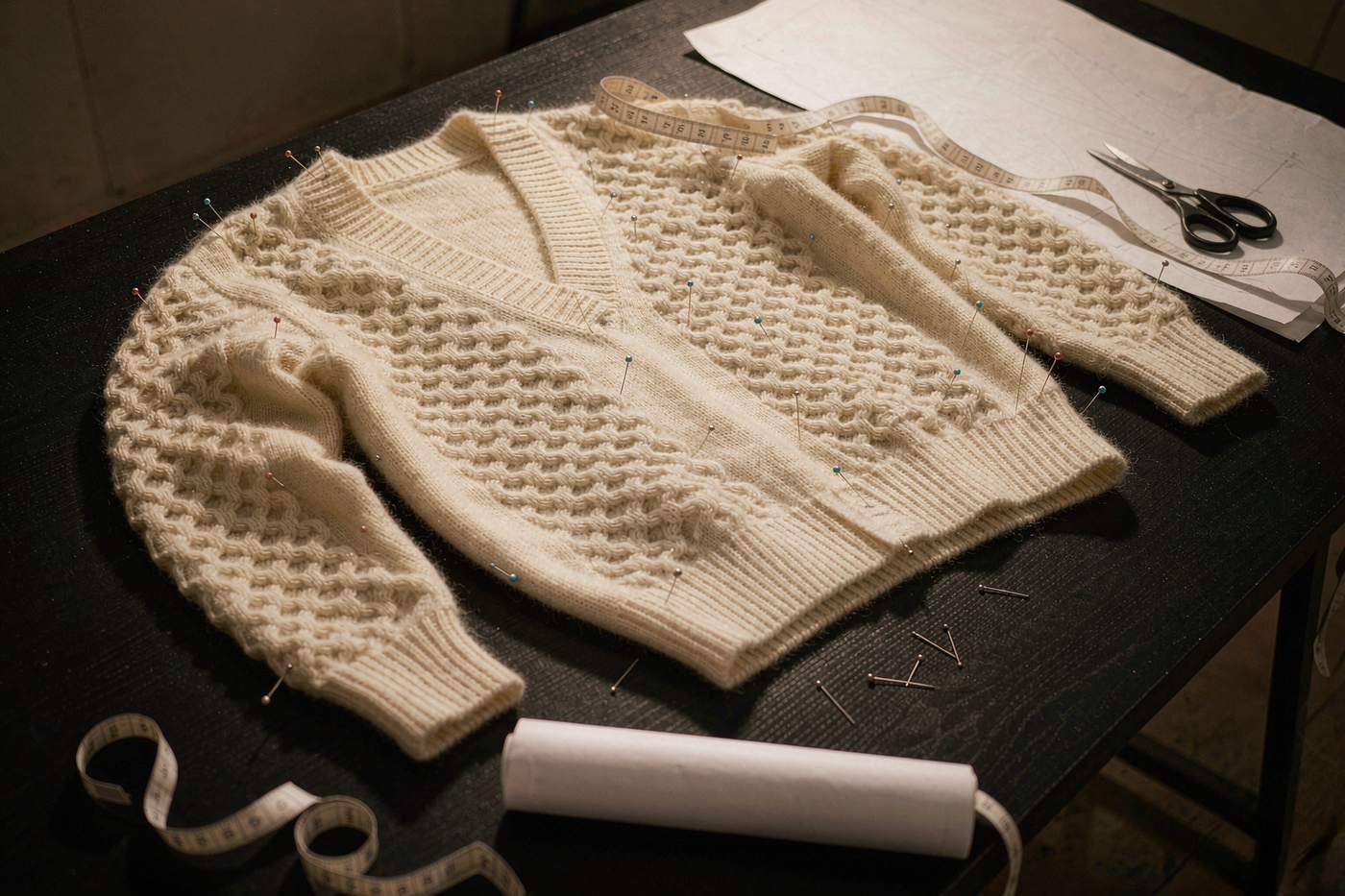
Compressing the Calendar Without Breaking It
Questions That Reveal a Supplier's Real Calendar

FAQ
How many weeks does a custom cashmere sweater order really take?
When should I order fall/winter knitwear?
Can air freight save a late order?
How do Chinese New Year and Golden Week affect production?
What is the fastest way to reorder a proven style?